DRSEK VĚTŠÍ – Zingel zingel
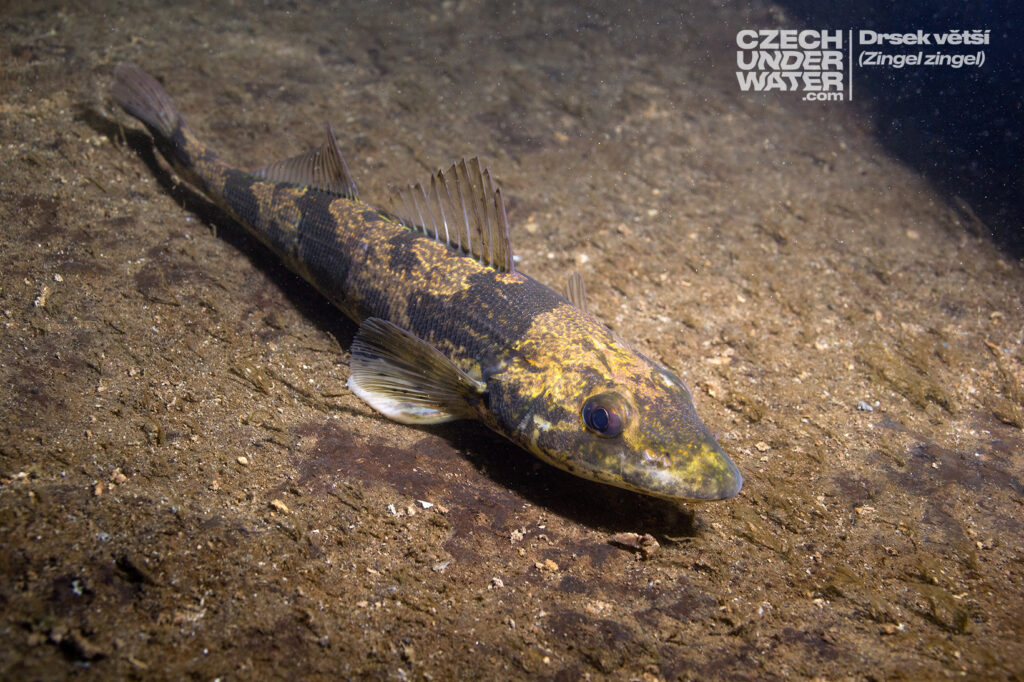
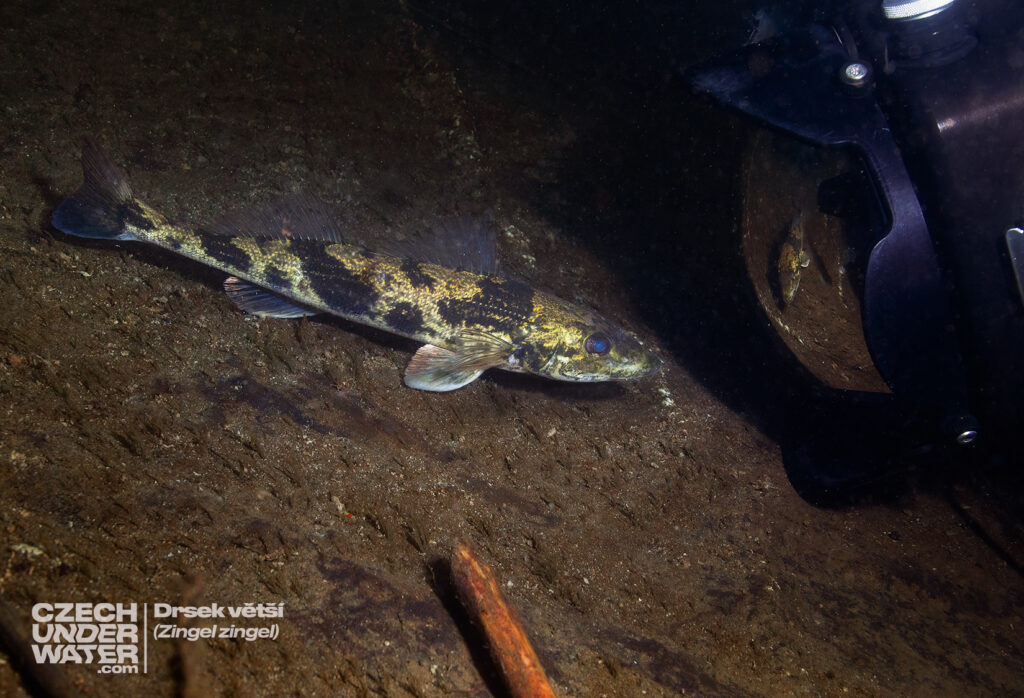
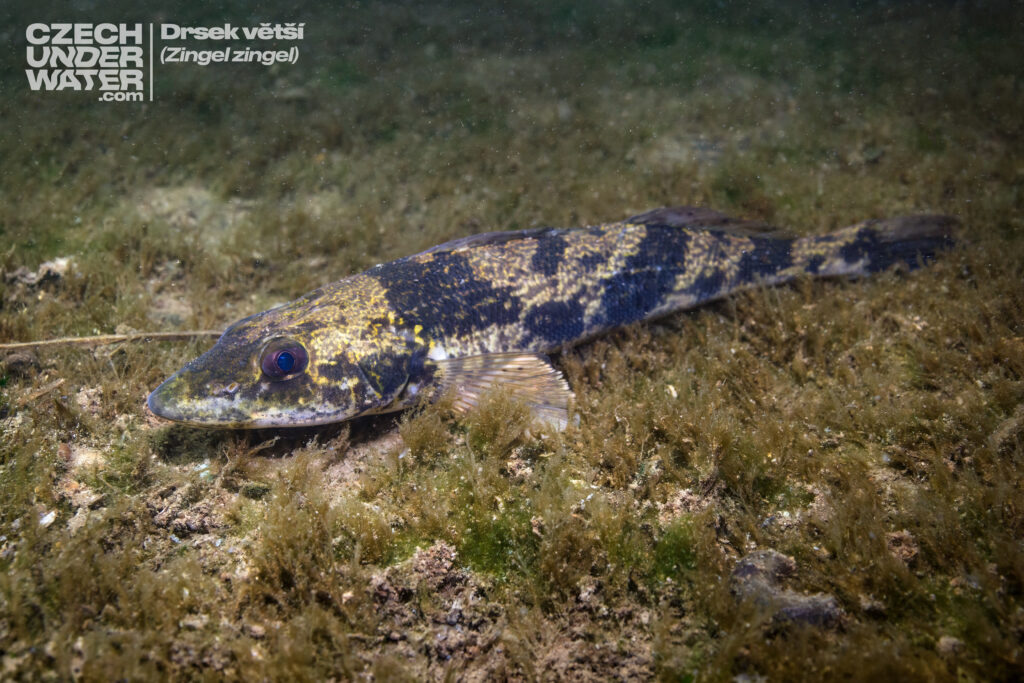
Drsek větší je z obou druhů výrazně mohutnější. Běžně dorůstá délky 20–30 cm, výjimečně může dosáhnout až přibližně 50 cm. Má protáhlé, poměrně robustní tělo, zploštělou trojúhelníkovitou hlavu a spodně postavená ústa. Jeho žlutohnědé boky zdobí několik tmavých příčných pruhů.
Typickým znakem je první hřbetní ploutev s 13–15 tvrdými ostnitými paprsky. Na rozdíl od drska menšího má také nešupinaté líce.
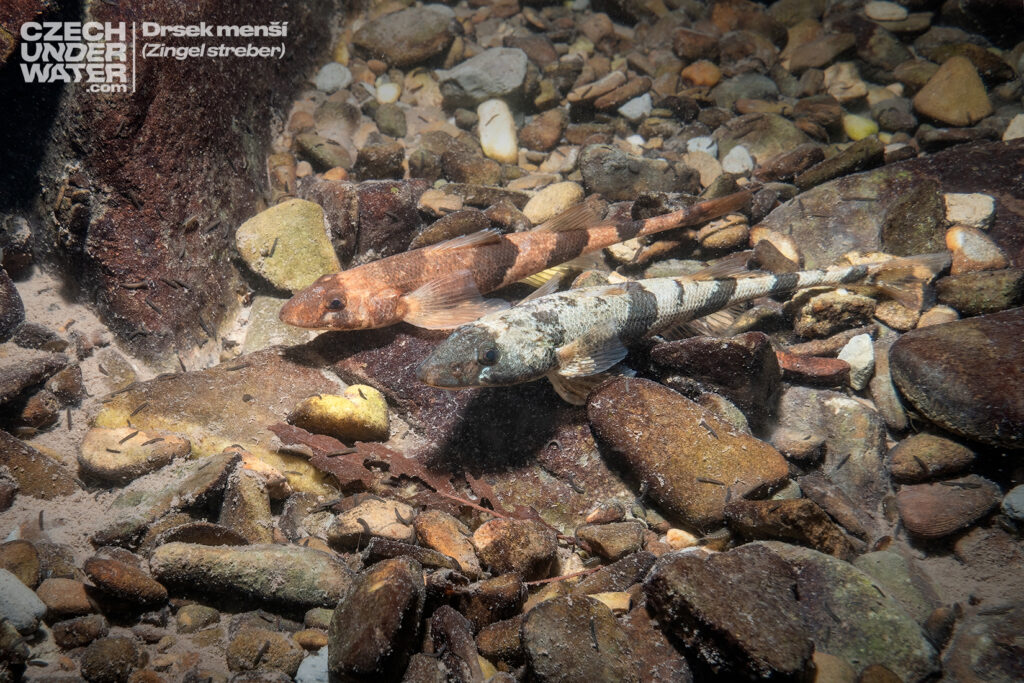
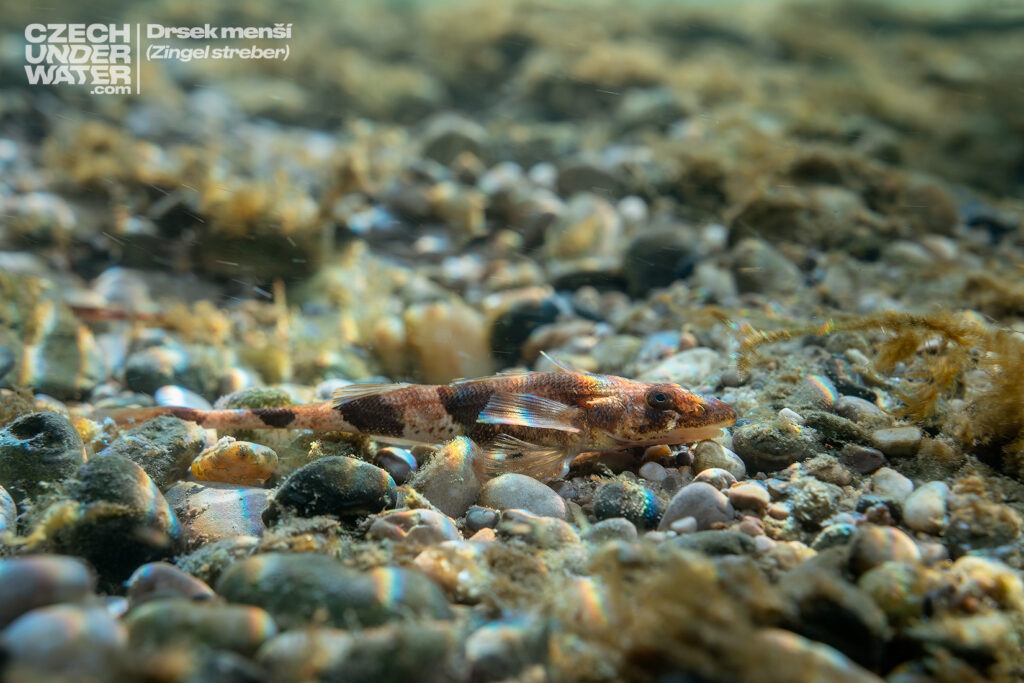
DRSEK MENŠÍ – Zingel streber
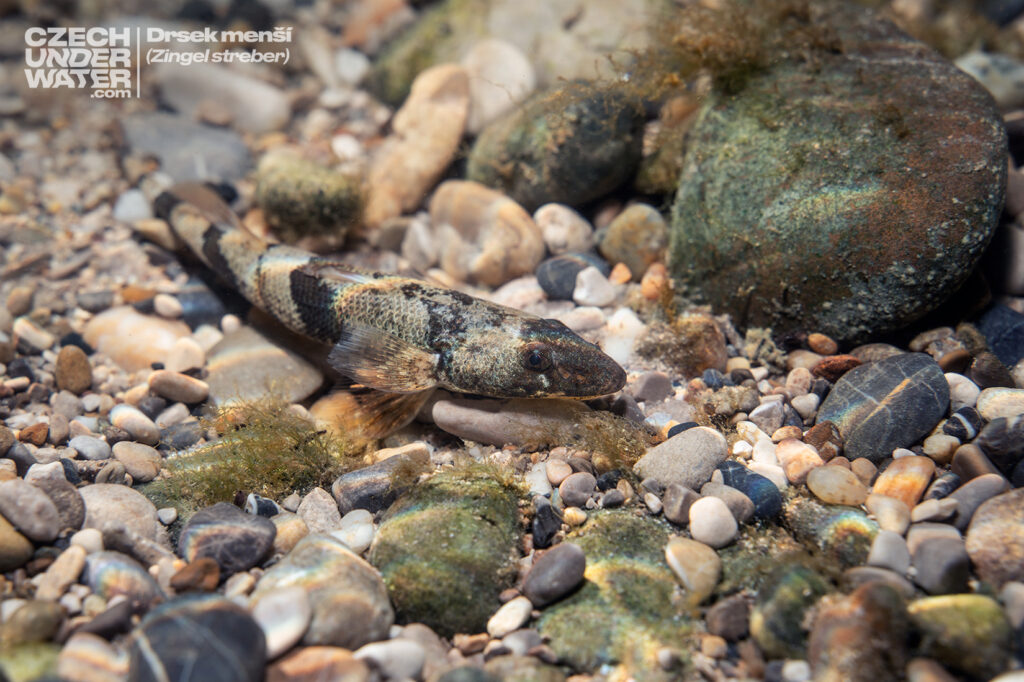
Drsek menší je podstatně drobnější a štíhlejší. Obvykle dorůstá 12–20 cm, maximálně přibližně 22 cm. Jeho tělo má vřetenovitý tvar, zploštělou hlavu a nápadně protáhlý, úzký ocasní násadec. Na žlutohnědých až pískových bocích má zpravidla čtyři až pět výrazných tmavých příčných pruhů.
Rozdílem oproti drskovi většímu je především první hřbetní ploutev, která má pouze 7–10 tvrdých paprsků. Dalším dobře rozpoznatelným znakem jsou šupinami pokryté líce.
PROSTŘEDÍ A ZPŮSOB ŽIVOTA
Oba druhy jsou typickými bentickými rybami, tedy obyvateli dna. Vyhledávají proudné úseky řek s kamenitým nebo štěrkovitým substrátem. Drsek větší preferuje především hlavní koryta větších řek, zatímco drsek menší obývá také proudné úseky menších řek.
Přes den odpočívají na dně, kde se ukrývají mezi kameny, ve výmolech nebo v prohlubních. Pohybují se charakteristickým způsobem – krátkými poskoky, případně se posouvají po dně pomocí ploutví. Aktivnější jsou především za šera a v noci, kdy vyhledávají potravu. Živí se zejména larvami vodního hmyzu, drobnými korýši a dalšími bezobratlými.
VÝSKYT A OCHRANA
Oba druhy patří k původním rybám povodí Dunaje. V České republice je dnes jejich výskyt omezen především na dolní úseky řek Moravy a Dyje na jižní Moravě.
Jejich existence je úzce spjata se zachováním přirozeného charakteru říčních koryt. Velkým problémem jsou především migrační bariéry, technické úpravy řek, úbytek vhodných štěrkových a kamenitých stanovišť a zhoršování kvality vodního prostředí.
Oba drsci jsou v České republice zvláště chráněnými druhy v kategorii kriticky ohrožených. Jejich ochrana proto nespočívá pouze v ochraně jednotlivých ryb, ale především v zachování funkčních říčních ekosystémů, přirozených proudů a vhodných míst k rozmnožování.
ZINGELS
ZINGEL – Zingel zingel
The zingel is considerably larger and more robust than its smaller relative. It usually grows to 20–30 cm in length, although exceptionally it can reach approximately 50 cm. It has an elongated, relatively stout body, a flattened, triangular-shaped head and an inferiorly positioned mouth. Its yellowish-brown flanks are marked with several dark vertical bars.
One of its characteristic features is the first dorsal fin, which has 13–15 stiff, spiny rays. Unlike the streber, the zingel also has scaleless cheeks.
STREBER – Zingel streber
The streber is considerably smaller and more slender. It usually reaches 12–20 cm in length, with a maximum of approximately 22 cm. Its body is spindle-shaped, with a flattened head and a distinctly elongated, narrow caudal peduncle. Its yellowish-brown to sandy-coloured flanks typically feature four to five prominent dark vertical bars.
The main distinguishing feature compared to the zingel is the first dorsal fin, which has only 7–10 stiff rays. Another easily recognisable characteristic is its cheeks, which are covered with scales.
HABITAT AND WAY OF LIFE
Both species are typical benthic fish, meaning they live close to the riverbed. They prefer fast-flowing sections of rivers with stony or gravelly substrates. The zingel mainly inhabits the main channels of larger rivers, whereas the streber can also be found in fast-flowing sections of smaller rivers.
During the day, they rest on the riverbed, hiding among stones, in hollows or in depressions. They move in a characteristic way, using short hops or pushing themselves along the bottom with their fins. They are most active at dusk and during the night, when they search for food. Their diet consists mainly of aquatic insect larvae, small crustaceans and other invertebrates.
DISTRIBUTION AND CONSERVATION
Both species are native fish of the Danube River basin. In the Czech Republic, their distribution is now largely restricted to the lower reaches of the Morava and Dyje rivers in South Moravia.
Their survival is closely linked to the preservation of natural river habitats. Major threats include migration barriers, river channel modifications, the loss of suitable gravel and stony habitats, and declining water quality.
Both species are classified as critically endangered and specially protected species in the Czech Republic. Their conservation therefore involves not only protecting individual fish, but above all preserving healthy river ecosystems, natural water currents and suitable spawning habitats.